


 }
}
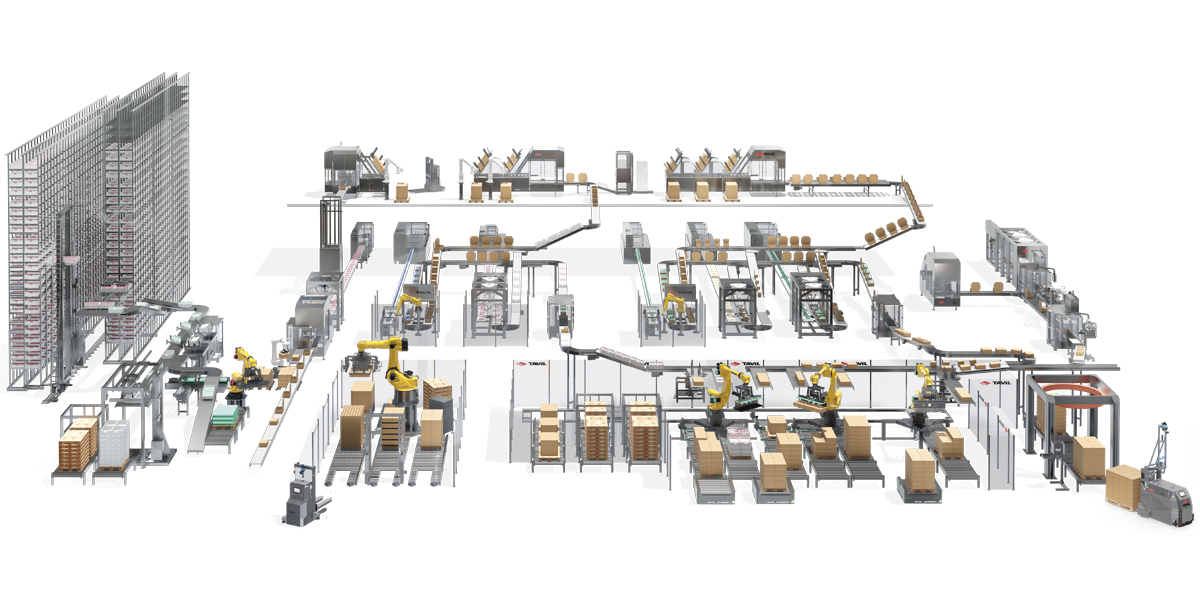
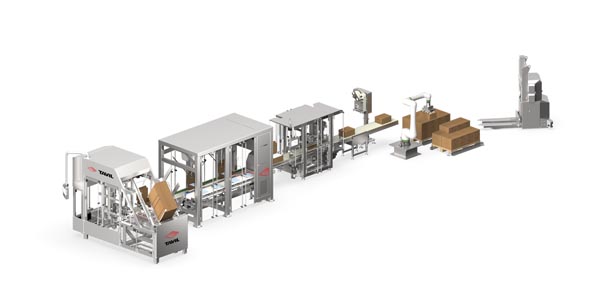
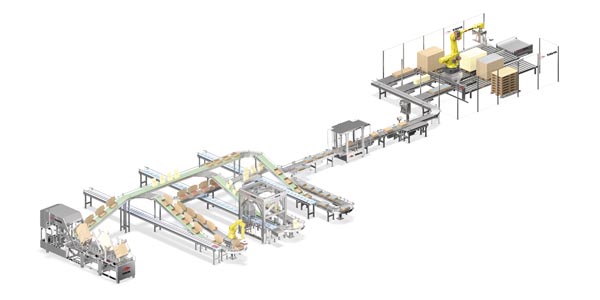
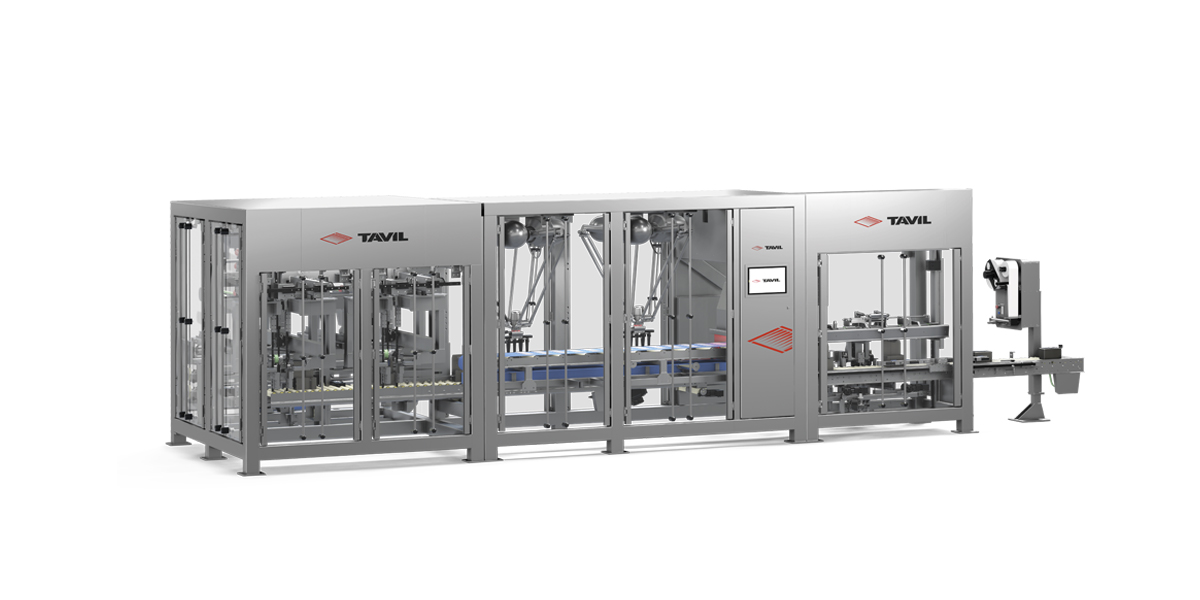
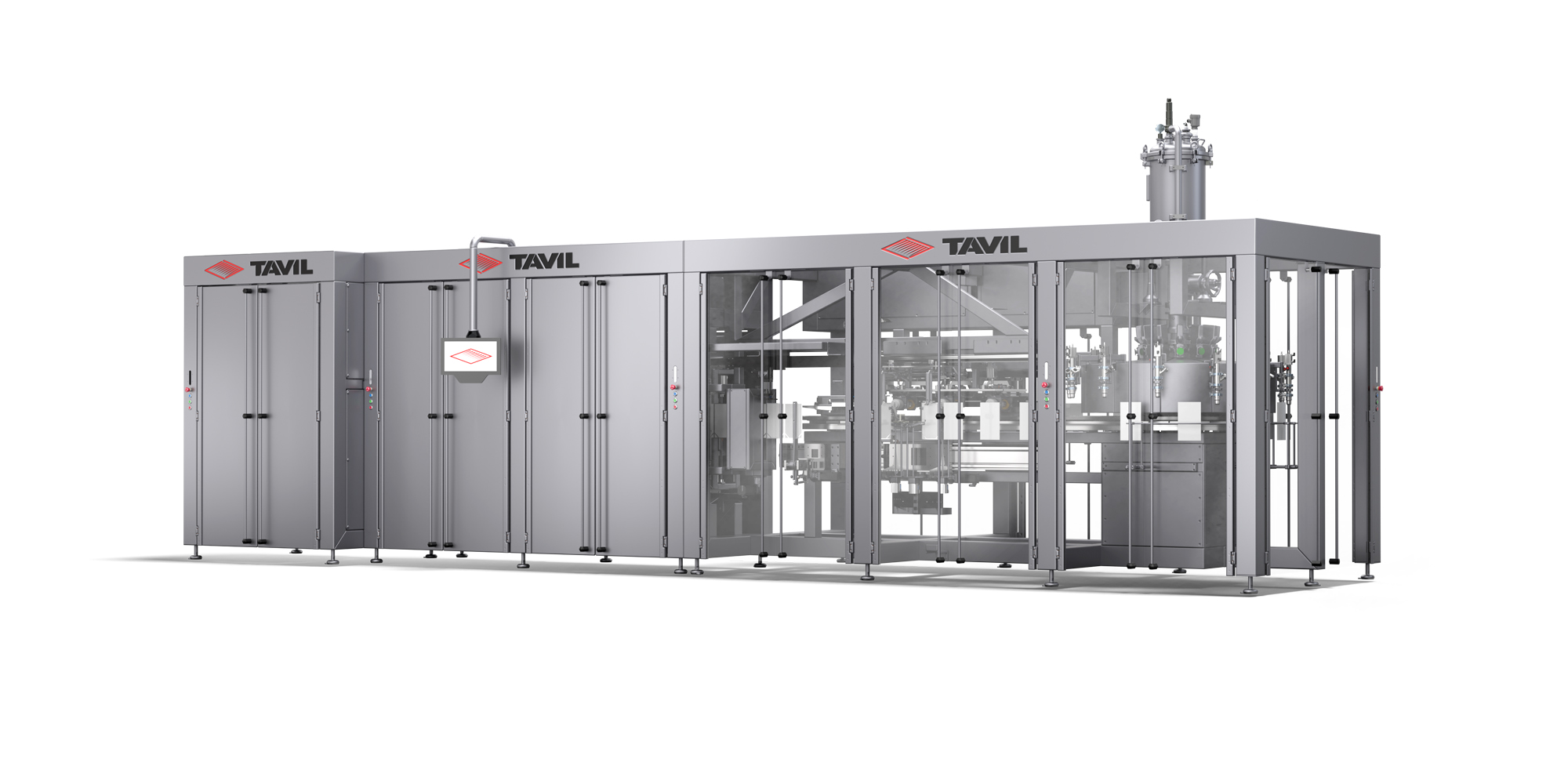
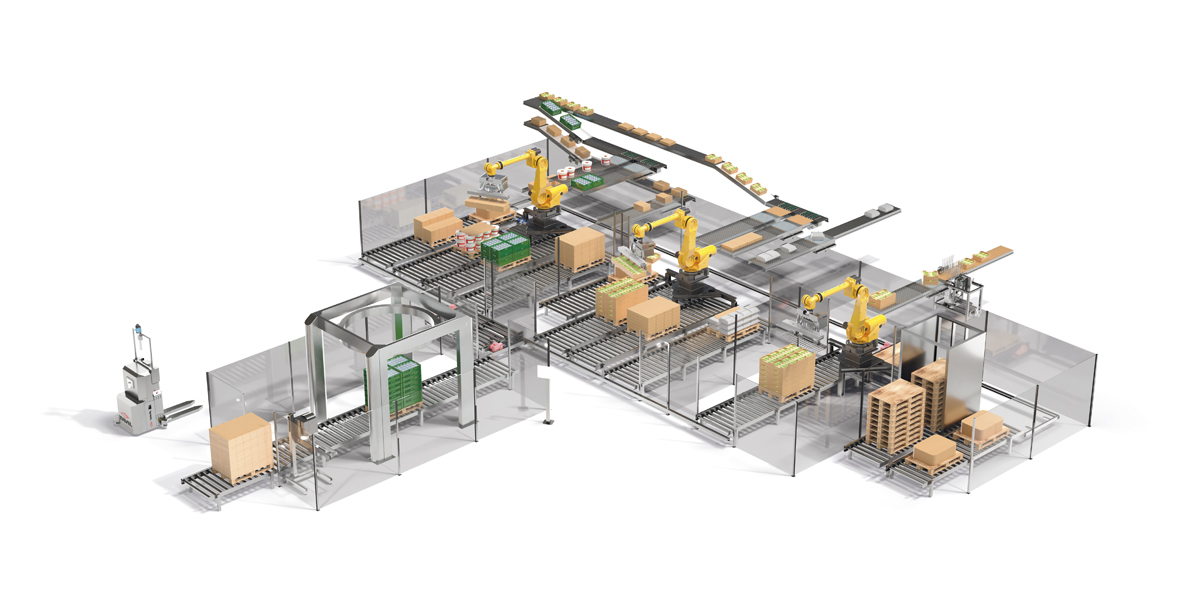
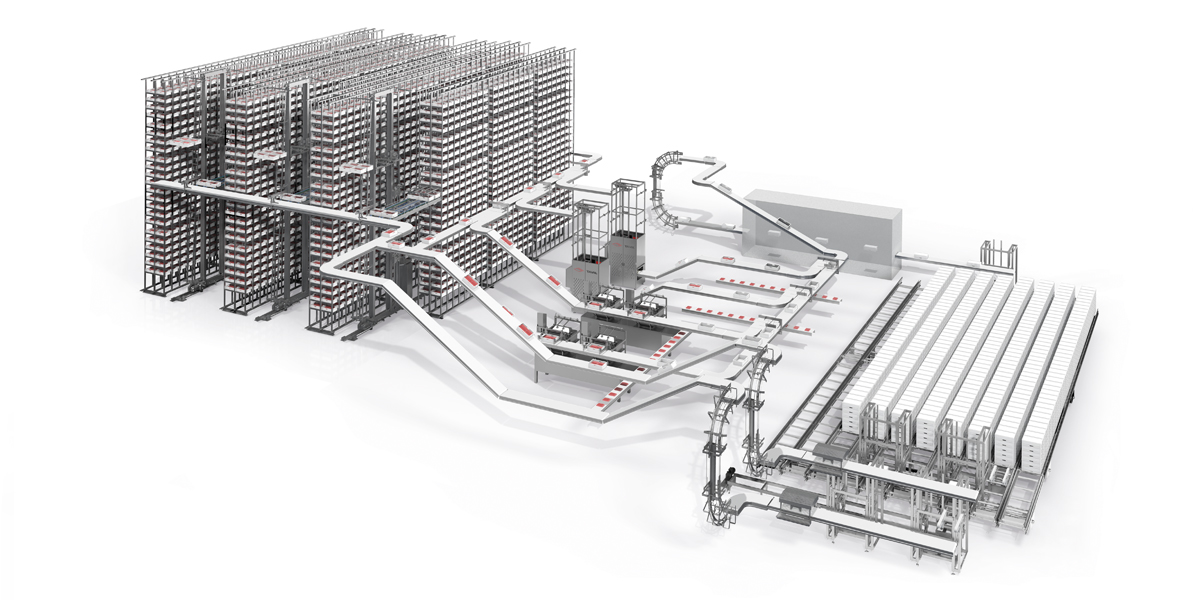
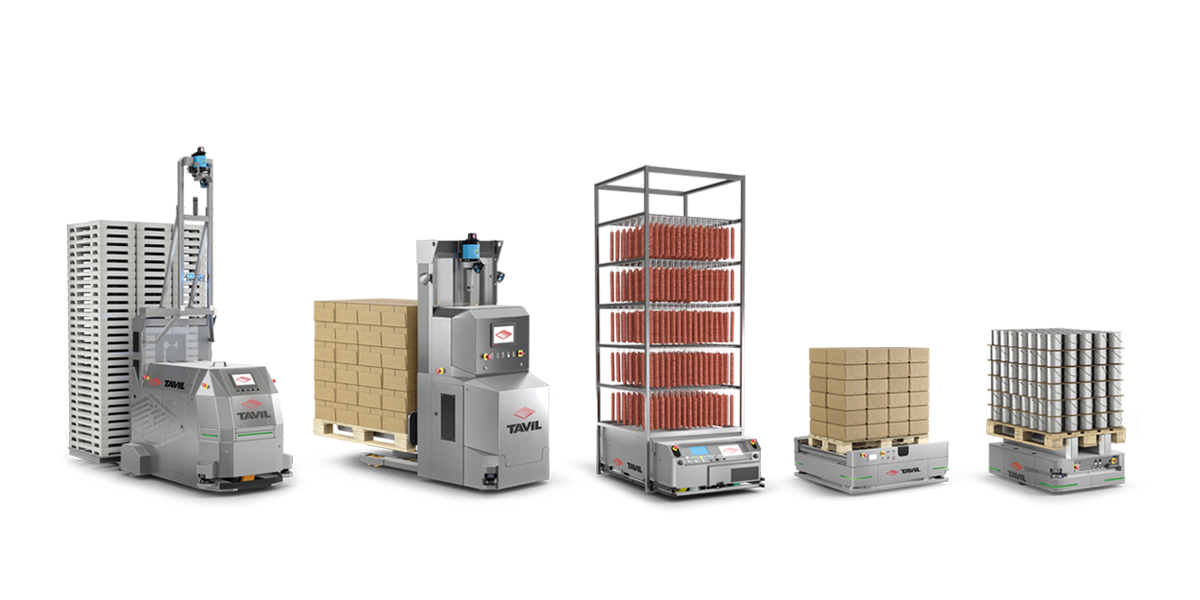
Multi-format end-of-line automation in poultry allows for the management of different box and tray formats within the same cell, maintaining consistent throughput and load stability. This is especially useful when there are:
- Frequent changes in product type and weight
- A combination of fresh, frozen, and IQF products
- Space and labor limitations in cold storage
- Traceability requirements by batch and customer
- Integration with shipping and automated warehouses
In poultry environments with high SKU turnover, multi-format technology supports different weights, tray sizes, and packaging types (fresh, frozen, IQF) without lengthy mechanical adjustments. Recipe changes are executed from the HMI, and the line is synchronized with cutting, deboning, and packaging.
- Frequent changes in product type and weight
- A combination of fresh, frozen, and IQF products
- Space and labor limitations in cold storage
- Traceability requirements by batch and customer
- Integration with shipping and automated warehouses
In poultry environments with high SKU turnover, multi-format technology supports different weights, tray sizes, and packaging types (fresh, frozen, IQF) without lengthy mechanical adjustments. Recipe changes are executed from the HMI, and the line is synchronized with cutting, deboning, and packaging.