


01
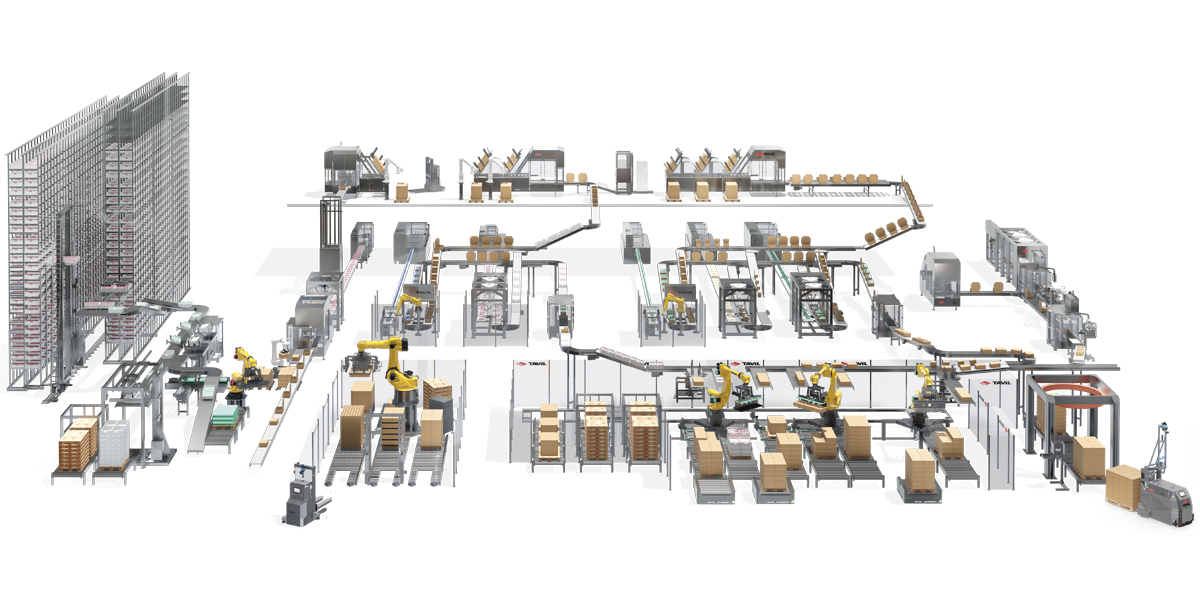
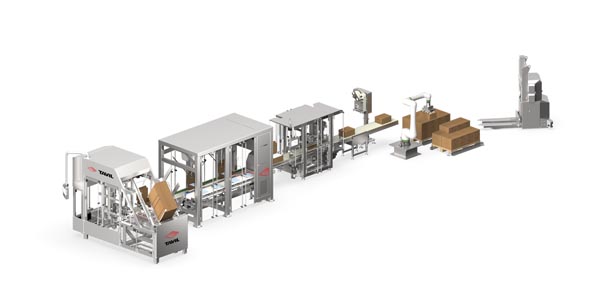
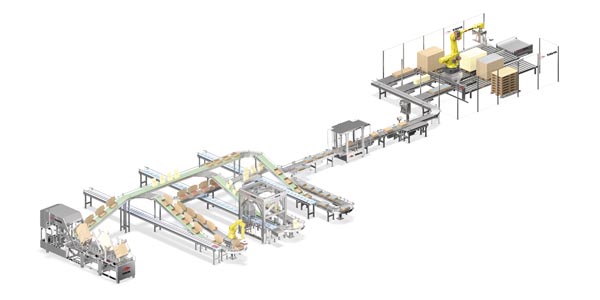
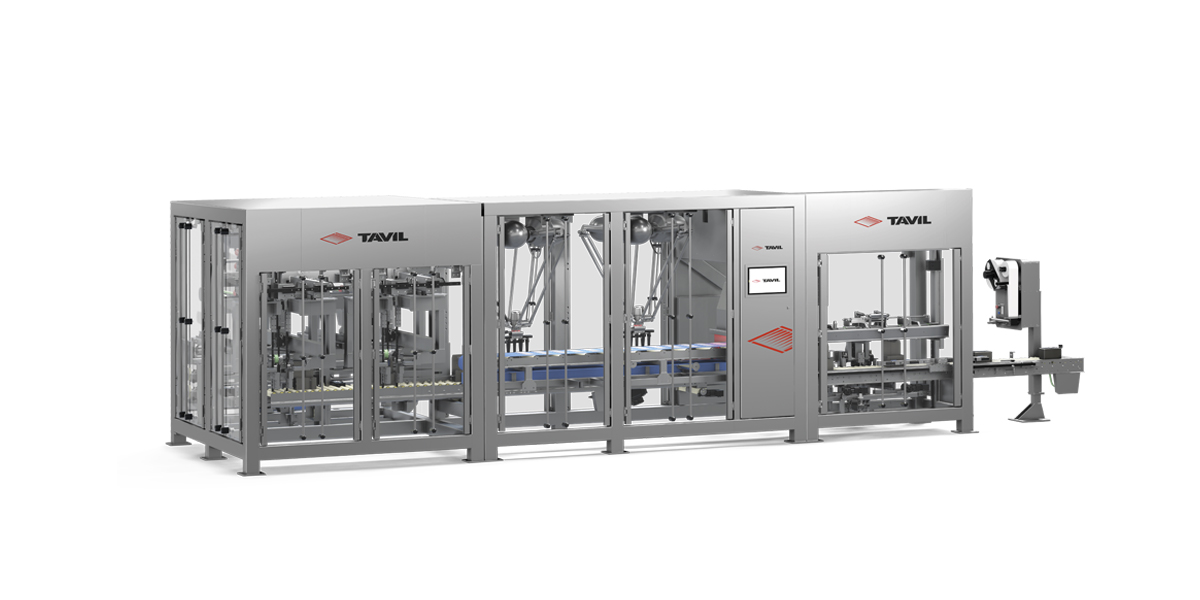
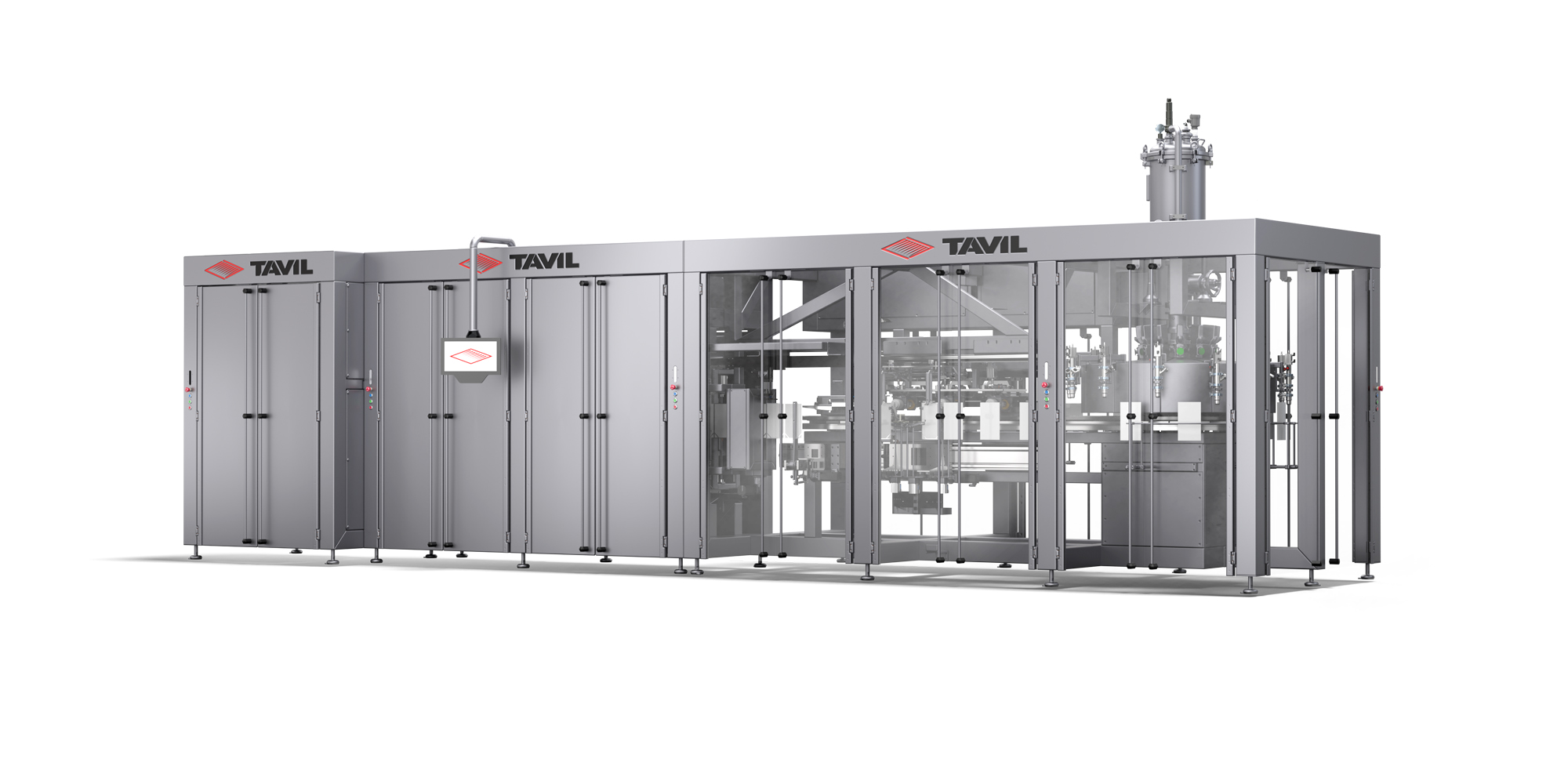
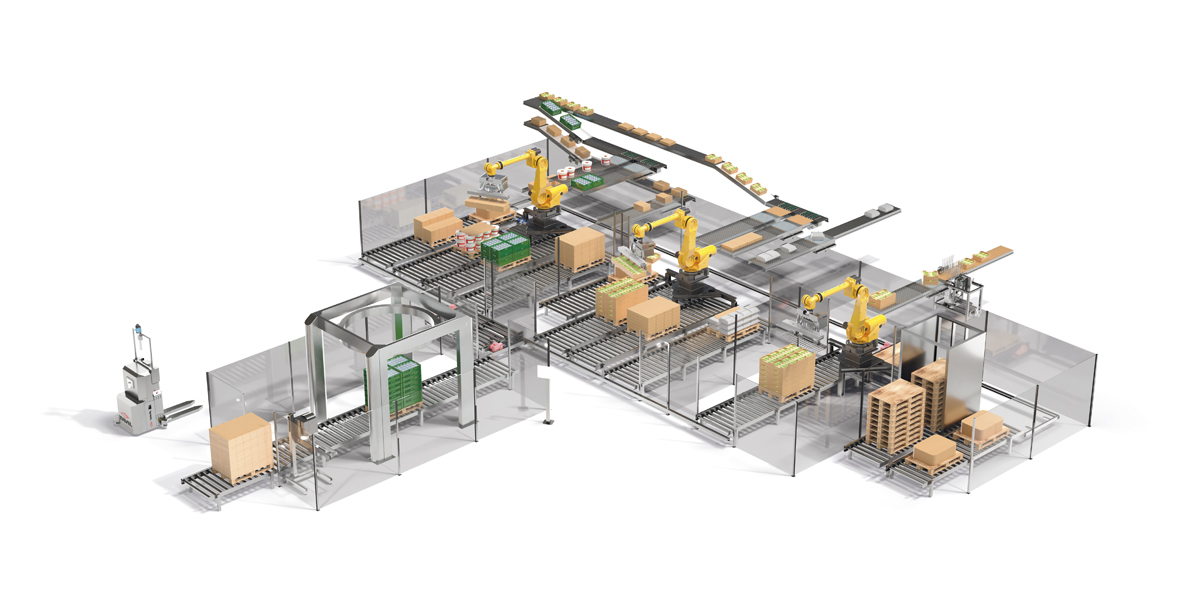
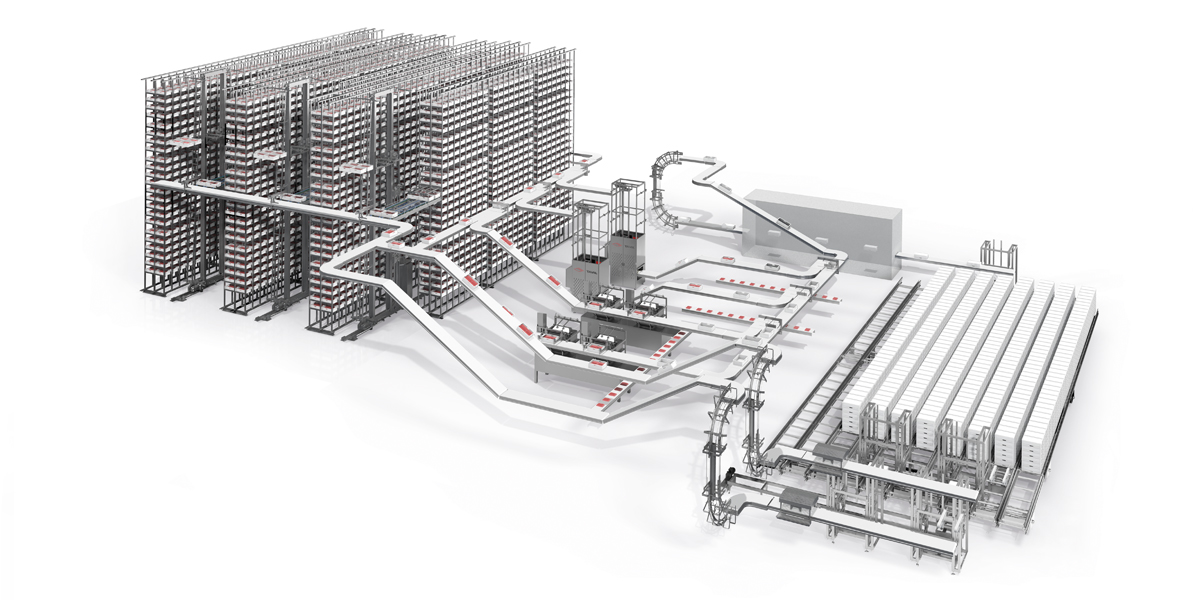
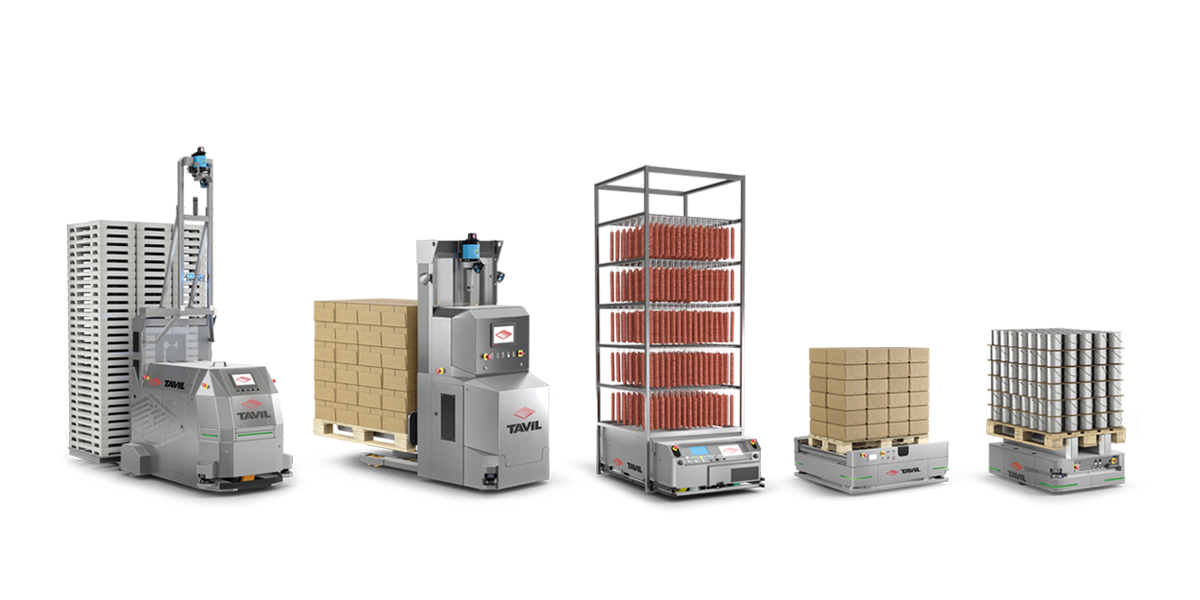
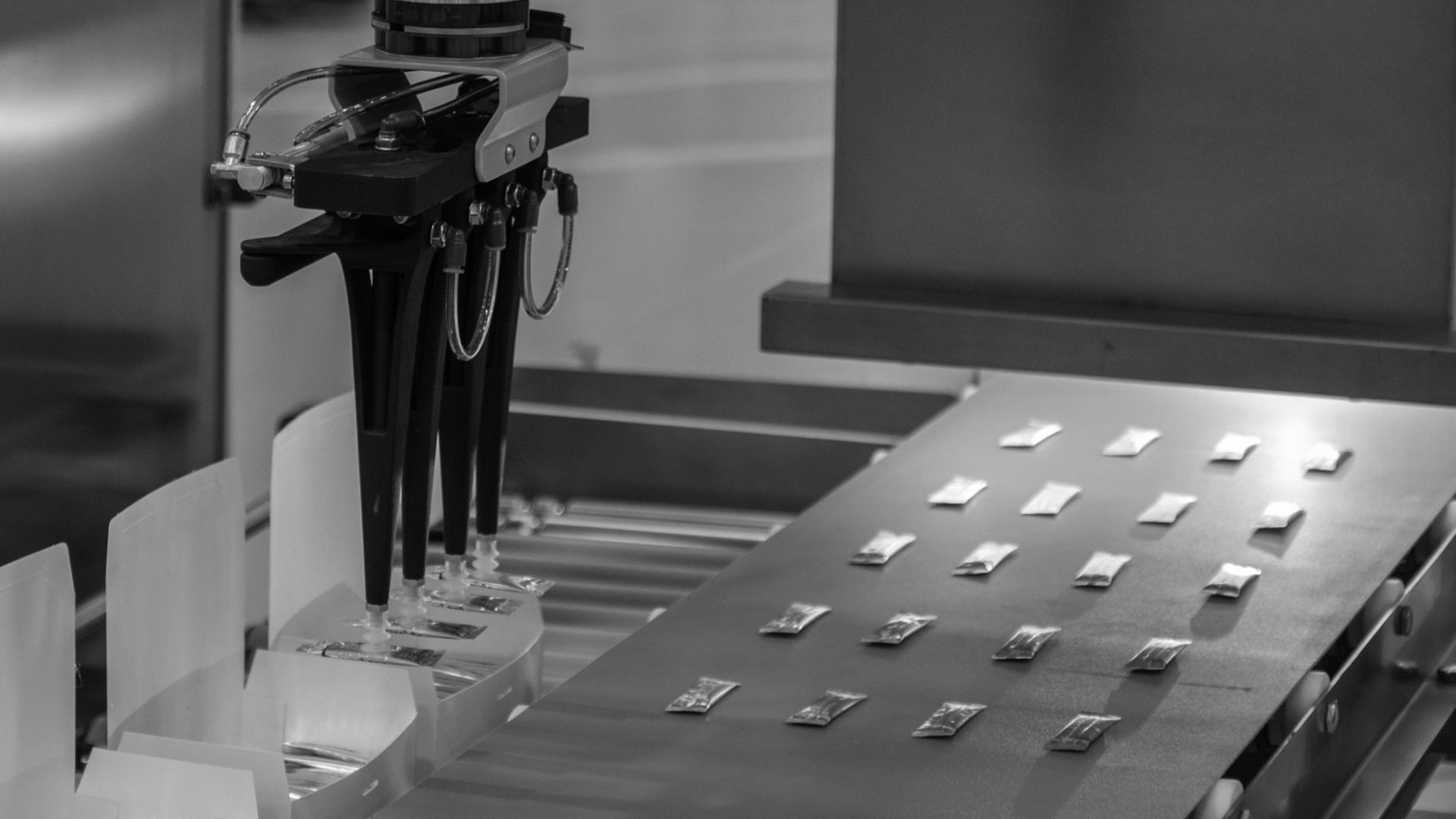
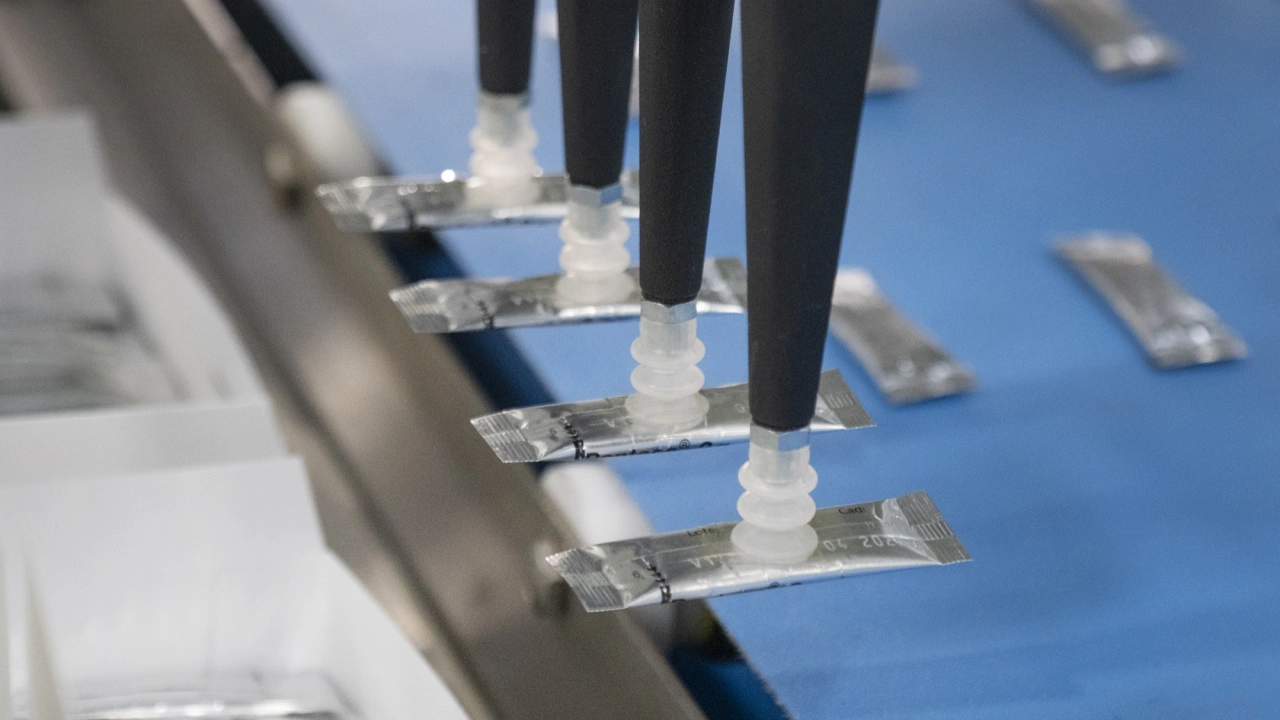
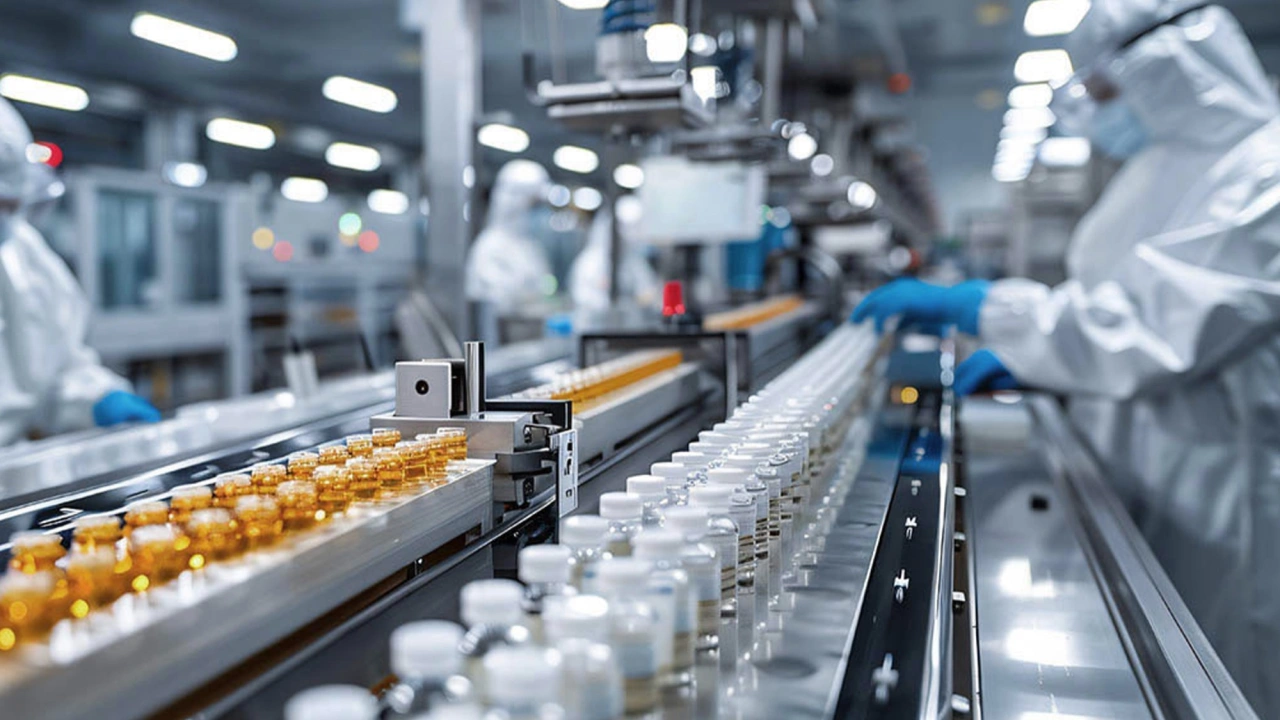
Our machines are designed to meet the highest standards of the pharmaceutical industry, guaranteeing maximum quality and reliability. With a focus on innovation and efficiency, each machine optimizes processes for the success of your production.
Multi-format technology enables the installation to work with different formats and sizes of boxes, packages, envelopes, bags, bottles, cans, and cartons. TAVIL is an innovative company that operates in various industrial sectors, providing high-quality solutions adapted to the needs of each market.
Tavil Solutions Pharma
Swipe left / right
0°
360°
Swipe left / right
0°
360°
Swipe left / right
0°
360°
Swipe left / right
0°
360°
Swipe left / right
0°
360°
Swipe left / right
0°
360°
Swipe left / right
0°
360°
Swipe left / right
0°
360°
Multiformat
Technology
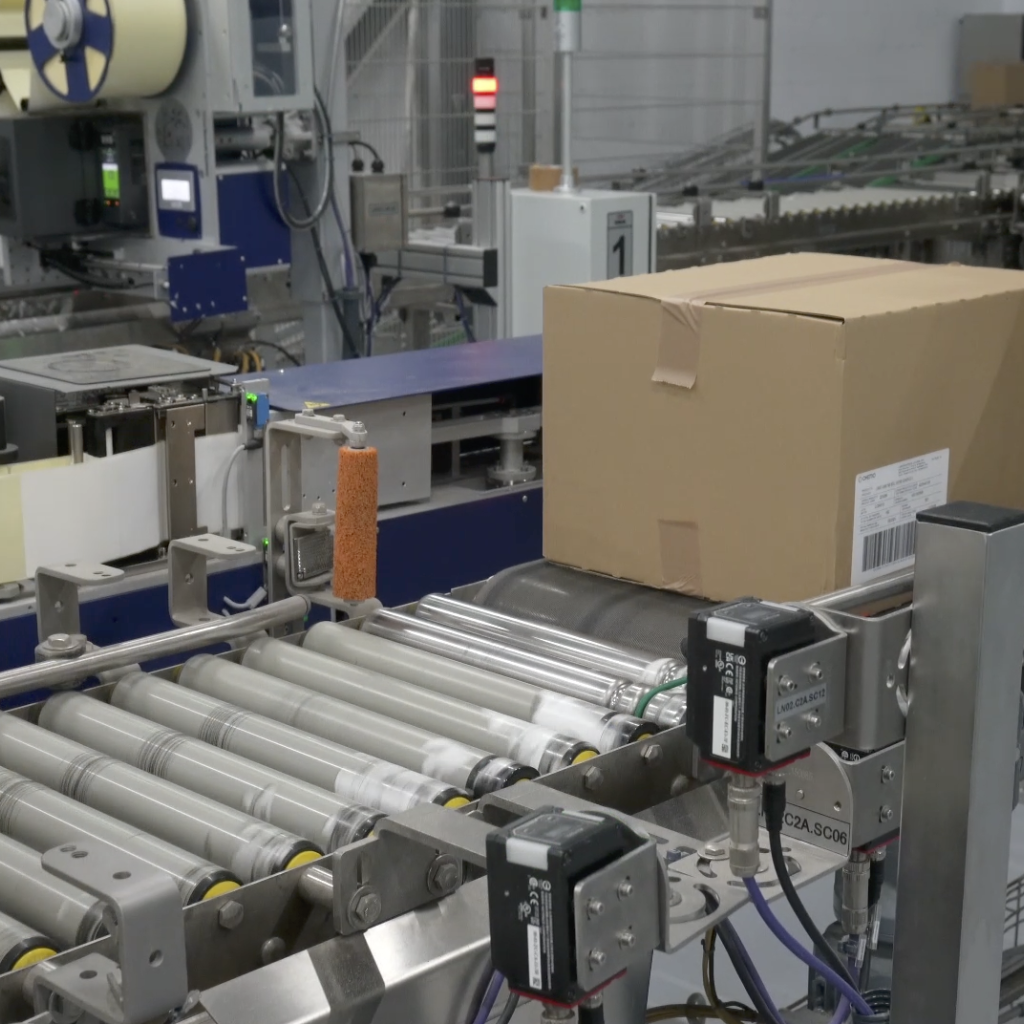
Automatic multiformat is the core of TAVIL's innovation. The automatic changeover is performed in less than 4 seconds, optimizing the performance of the entire end-of-line.
Tavil Success stories Pharma
Transforming the end of line. The best guarantee of our systems is their performance in the most demanding plants. Discover through these case studies how our automatic solutions drive the competitiveness and the growth of our clients at a global level.


FAQ's
Yes. All models incorporate varying levels of automation, reaching the highest level in the CM model, which features fully automatic format changeover.
Format changeover is performed using servomotors and electronic transport systems, allowing parameters to be adjusted directly from the HMI interface (touchscreen), replacing traditional mechanical systems that require highly skilled operators.
These systems replace manual mechanical adjustments, eliminating the need for complex technical interventions and reducing changeover times.
It eliminates the need for highly skilled operators. The parameters for each format are stored in a recipe system. Automatic format changeover is executed by selecting the corresponding recipe, without the need for additional manual adjustments.
The automatic format changeover system allows for in-line integration with other machines that have equivalent automation systems.
Format changeover is performed using servomotors and electronic transport systems, allowing parameters to be adjusted directly from the HMI interface (touchscreen), replacing traditional mechanical systems that require highly skilled operators.
These systems replace manual mechanical adjustments, eliminating the need for complex technical interventions and reducing changeover times.
It eliminates the need for highly skilled operators. The parameters for each format are stored in a recipe system. Automatic format changeover is executed by selecting the corresponding recipe, without the need for additional manual adjustments.
The automatic format changeover system allows for in-line integration with other machines that have equivalent automation systems.
HFFS machines allow the packaging of a wide variety of products, including solids, granules, powders, liquids, and pastes, by integrating one or more dosing systems suited to each product type.
The machines support the installation of multiple dosing units, which can operate simultaneously or sequentially depending on the application and product type.
The packaging process is structured in independent and specific stations, which allow for the controlled execution of the following operations:
- Container forming - Product dosing - Container sealing. The modular architecture of HFFS machines allows for configuring the number and type of stations required for each application.
The main technical advantages of this configuration are:
- Compatibility with various dosing systems (volumetric, gravimetric, screw conveyor, pumps, multihead, among others)
- Possibility of incorporating multiple dosing stations for mixing different products in the same container - Multi-stage dosing to increase production capacity or improve accuracy - High process repeatability thanks to the functional separation of the stations - Adaptability to product changes without modifying the main machine structure - Easy integration with peripheral systems and automated lines
The machines support the installation of multiple dosing units, which can operate simultaneously or sequentially depending on the application and product type.
The packaging process is structured in independent and specific stations, which allow for the controlled execution of the following operations:
- Container forming - Product dosing - Container sealing. The modular architecture of HFFS machines allows for configuring the number and type of stations required for each application.
The main technical advantages of this configuration are:
- Compatibility with various dosing systems (volumetric, gravimetric, screw conveyor, pumps, multihead, among others)
- Possibility of incorporating multiple dosing stations for mixing different products in the same container - Multi-stage dosing to increase production capacity or improve accuracy - High process repeatability thanks to the functional separation of the stations - Adaptability to product changes without modifying the main machine structure - Easy integration with peripheral systems and automated lines
HFFS machines operate using roll material. The package is formed directly on the machine during the packaging process.
Using roll material allows all critical package forming and sealing operations to be performed internally. In particular, the top seal is executed after product dosing, and this is one of the key operations for ensuring the package's airtightness.
In applications using pre-formed pouches, this final sealing operation must also be performed on the packaging machine, so the responsibility for the package's airtightness also rests with the HFFS. Incorporating automatic format change systems into HFFS machines that operate from roll material allows for levels of flexibility equivalent to or greater than those of systems based on pre-formed pouches, without relying on pre-made package formats.
Using roll material allows all critical package forming and sealing operations to be performed internally. In particular, the top seal is executed after product dosing, and this is one of the key operations for ensuring the package's airtightness.
In applications using pre-formed pouches, this final sealing operation must also be performed on the packaging machine, so the responsibility for the package's airtightness also rests with the HFFS. Incorporating automatic format change systems into HFFS machines that operate from roll material allows for levels of flexibility equivalent to or greater than those of systems based on pre-formed pouches, without relying on pre-made package formats.
We have machines in stock that only need to be customized according to the client's project requirements for very short lead times. The delivery time for an HFFS machine depends on the degree of customization required for each project.
HFFS machines are based on a modular architecture and standard platforms. This allows us to have machines in stock that can be configured later by adding or adapting specific modules according to the application's technical requirements.
In these cases, the delivery time is reduced and is mainly limited to the configuration, integration of the dosing systems, functional testing, and validation phases.
At most manufacturers in the sector, HFFS machines are manufactured entirely to order and do not start from modular platforms in stock. This approach requires starting the process from the design and manufacturing phases, which increases the delivery time.
The combination of modular architecture and the availability of machines in stock allows for faster implementation, while maintaining the required functional flexibility and technical performance.
HFFS machines are based on a modular architecture and standard platforms. This allows us to have machines in stock that can be configured later by adding or adapting specific modules according to the application's technical requirements.
In these cases, the delivery time is reduced and is mainly limited to the configuration, integration of the dosing systems, functional testing, and validation phases.
At most manufacturers in the sector, HFFS machines are manufactured entirely to order and do not start from modular platforms in stock. This approach requires starting the process from the design and manufacturing phases, which increases the delivery time.
The combination of modular architecture and the availability of machines in stock allows for faster implementation, while maintaining the required functional flexibility and technical performance.
HFFS machines allow the production of a wide variety of pouch types, depending on the machine configuration and integrated modules.
The main types of pouches that can be produced include:
- Three-seal pouches
- Four-seal pouches
- Gusseted pouches
- Doypack pouches
- Doypack pouches with a top cap
- Doypack pouches with a corner cap
- Zipper pouches
- Specially shaped pouches
- Pouches with handles
The modular architecture of HFFS machines allows for the incorporation of the necessary systems for each type of pouch, as well as combining different features in the same package when the application requires it.
The main types of pouches that can be produced include:
- Three-seal pouches
- Four-seal pouches
- Gusseted pouches
- Doypack pouches
- Doypack pouches with a top cap
- Doypack pouches with a corner cap
- Zipper pouches
- Specially shaped pouches
- Pouches with handles
The modular architecture of HFFS machines allows for the incorporation of the necessary systems for each type of pouch, as well as combining different features in the same package when the application requires it.