Automation improves efficiency on sauce and dressing packaging lines by stabilizing production speed, reducing manual handling, and optimizing end-of-line operations.
- Consistent throughput on high-volume bottling or pouch packaging lines.
- Reduced manual handling during packaging and palletizing.
- Improved line synchronization between filling and packaging.
- Increased operational reliability and production uptime.
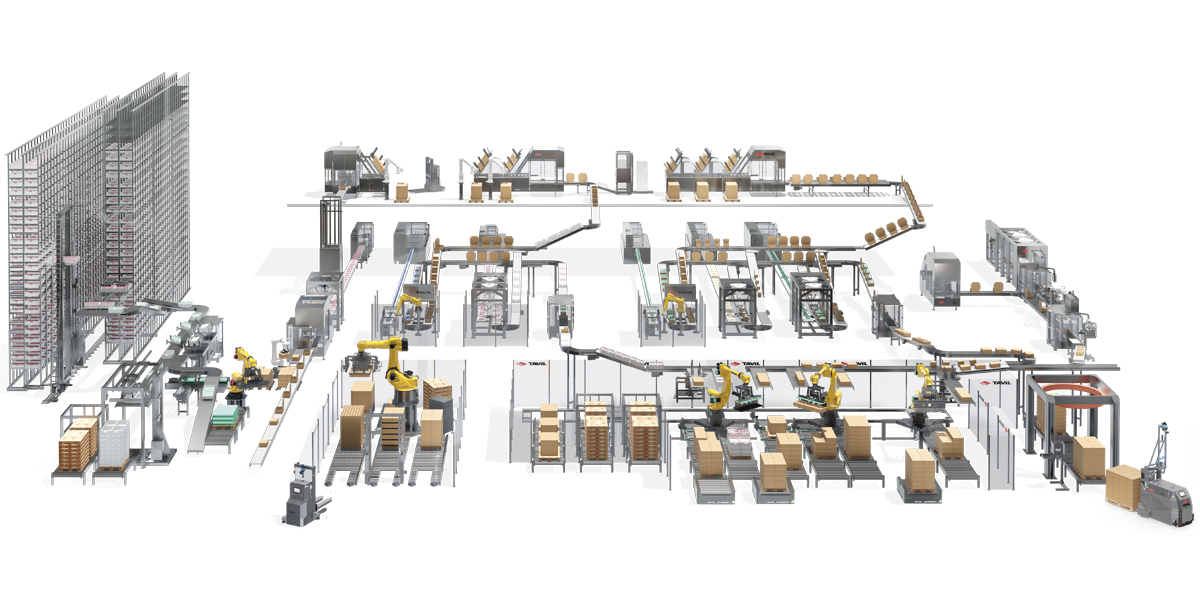
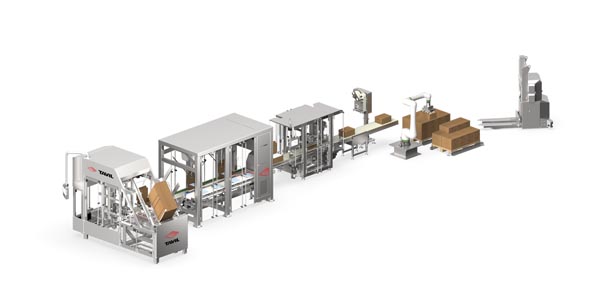
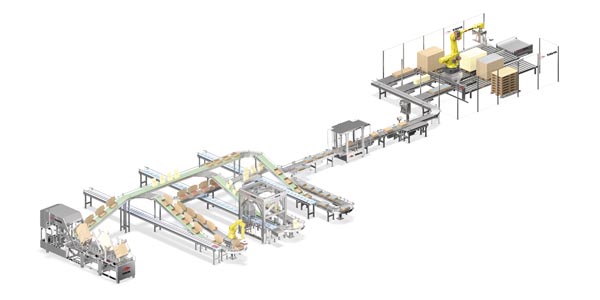
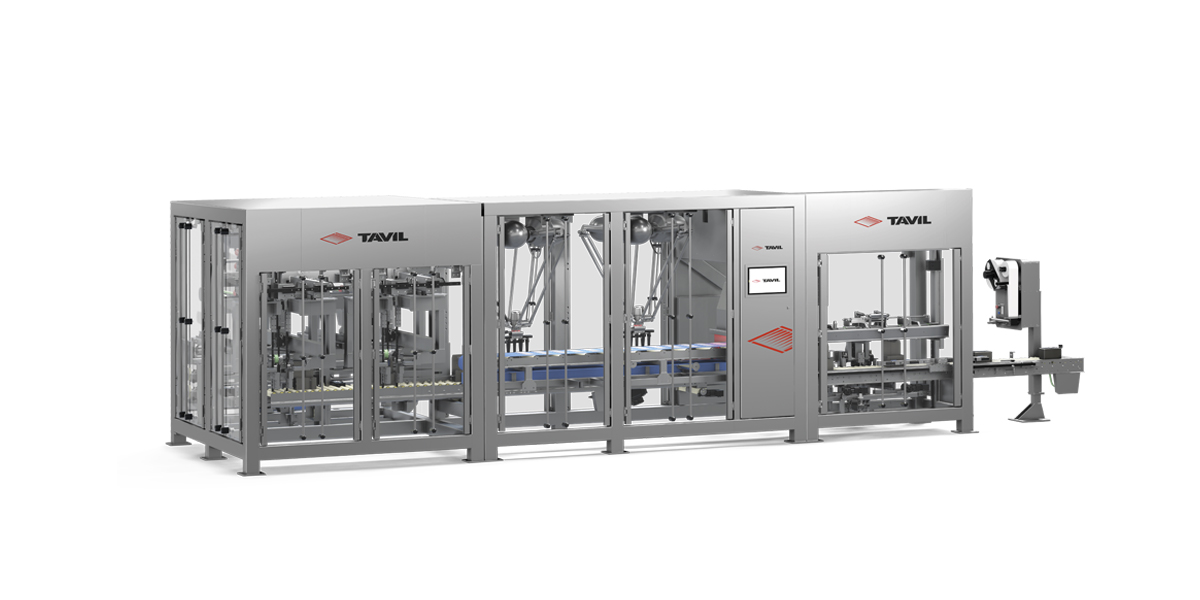
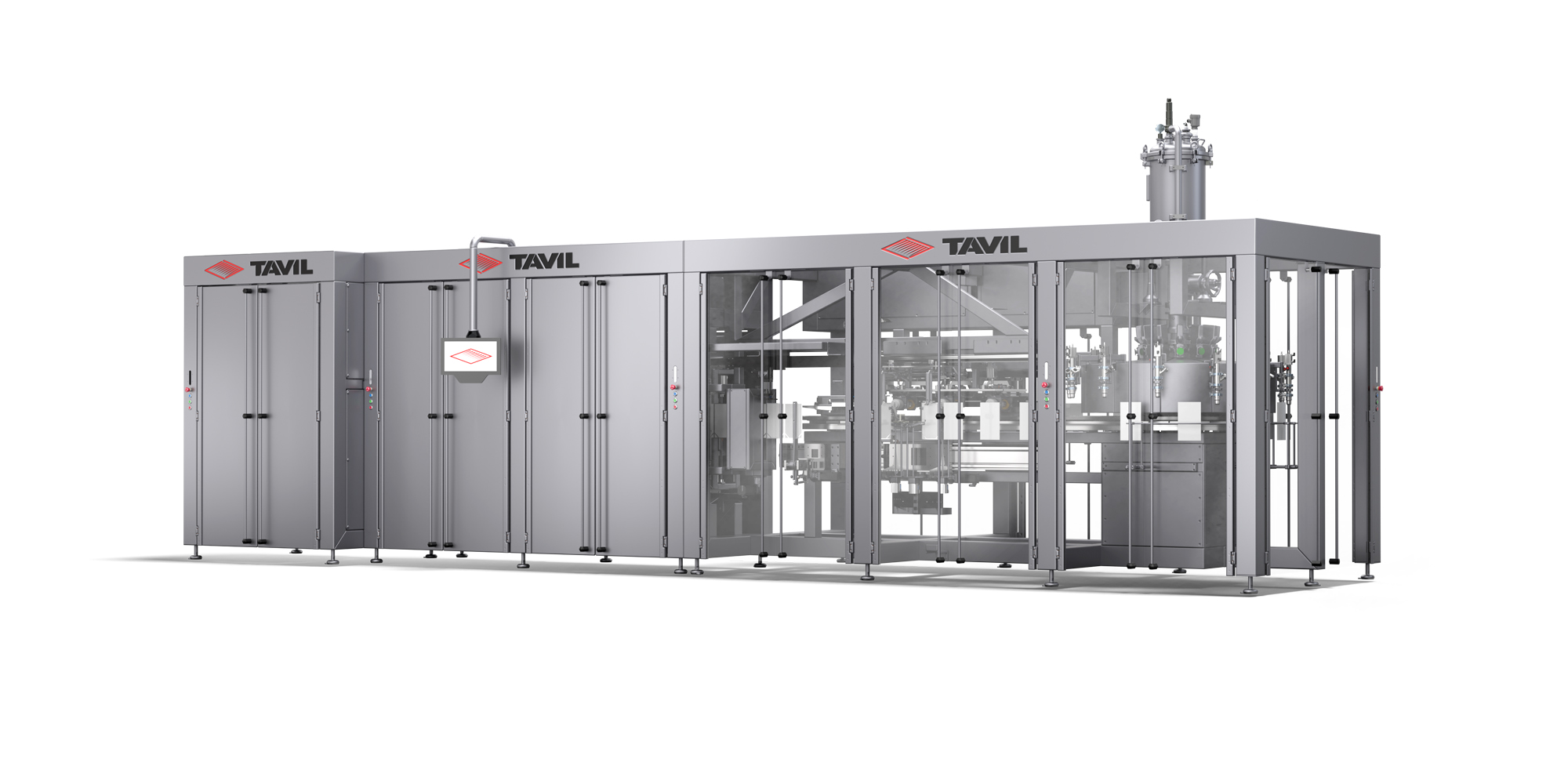
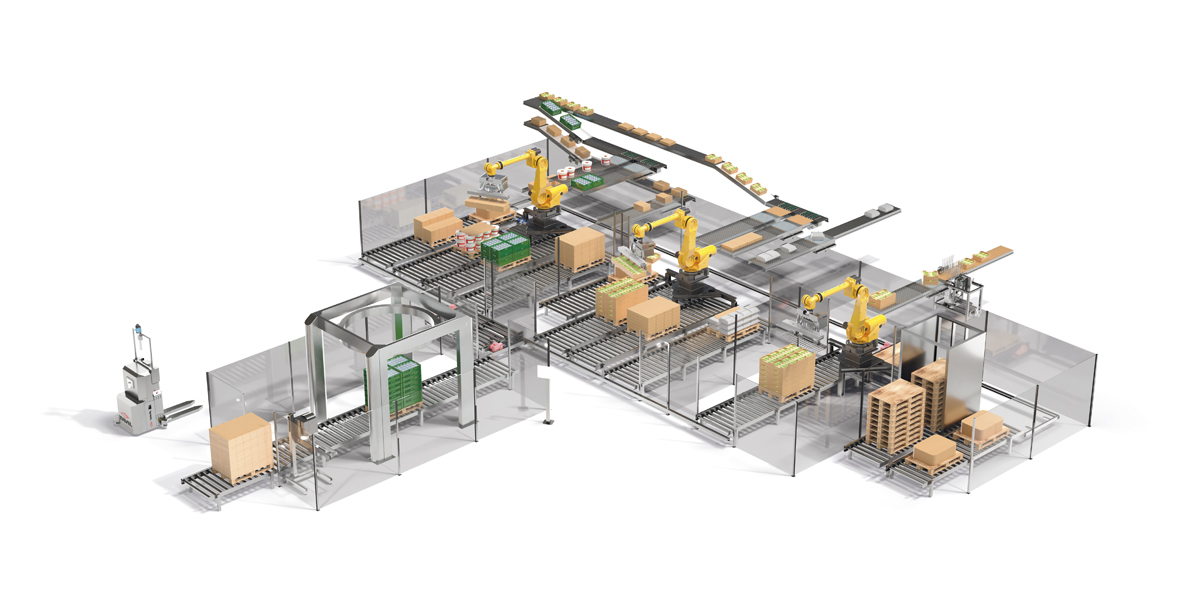
Typical end-of-line automation includes case forming, robotic packaging, sealing, and palletizing systems.
- Automated case forming and sealing equipment
- Robotic pick-and-place systems for bottles, jars, or bags
- High-speed palletizing solutions for finished cases
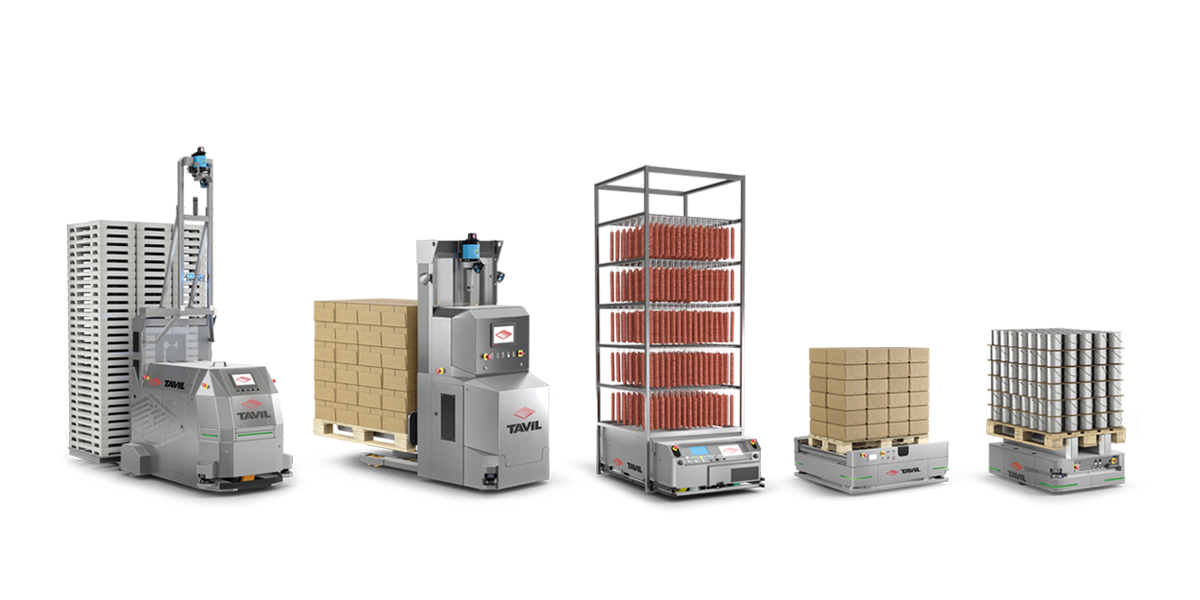
- Integrated product handling and conveying systems
Yes, modern automation systems can handle bottles, jars, or bags of various sizes thanks to flexible handling systems and programmable changeovers.
- Adjustable product handling systems for different container sizes
- Programmable recipes for different product codes and container formats
- Ability to quickly change between production cycles
- Flexible gripping systems for multiple container types
Robotic palletizing improves pallet stability, production efficiency, and operational safety in the manufacture of sauces and dressings.
- High palletizing accuracy and uniform pallet patterns.
- Ability to handle different box sizes and pallet configurations.
- Reduced manual labor in heavy palletizing tasks.
- Improved workplace safety and ergonomics.
Automated systems help manage high production volumes while maintaining consistent speeds and minimizing downtime in packaging operations.
- High-speed packaging and palletizing capabilities
- Continuous product flow from filling to palletizing
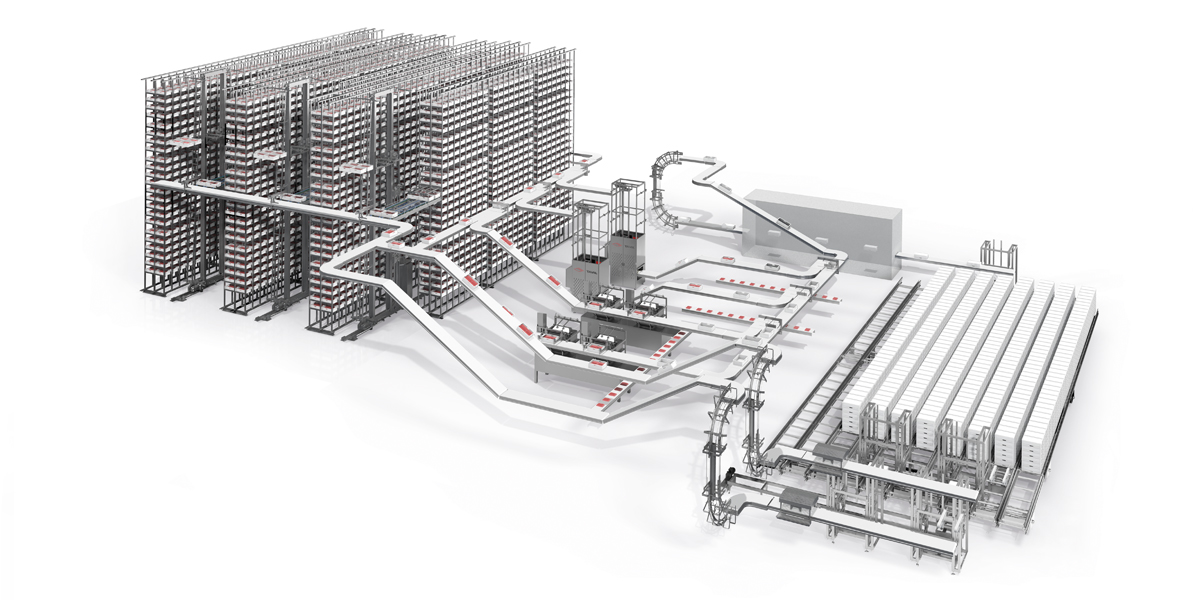
- Buffering systems to absorb production variations
- Reduction of line stoppages caused by manual handling
The return on investment (ROI) of automation in the production of sauces and dressings depends on production volume, packaging formats, labor costs, and improvements in operational efficiency.
- Reduced labor in end-of-line operations
- Increased throughput and efficiency of the packaging line
- Lower risk of product damage or packaging errors
- Increased operational uptime and production reliability



 }
}